Business Liability Insurance: A Comprehensive Guide
In the dynamic and often unpredictable world of business, safeguarding your enterprise from potential financial ruin is paramount. One of the most critical tools for risk mitigation is business liability insurance. This insurance acts as a financial safety net, protecting your company from the costs associated with lawsuits and other claims of negligence or harm caused to third parties. This article delves into the intricacies of business liability insurance, exploring its importance, coverage types, factors influencing costs, and strategies for choosing the right policy.
The Cornerstone of Business Protection
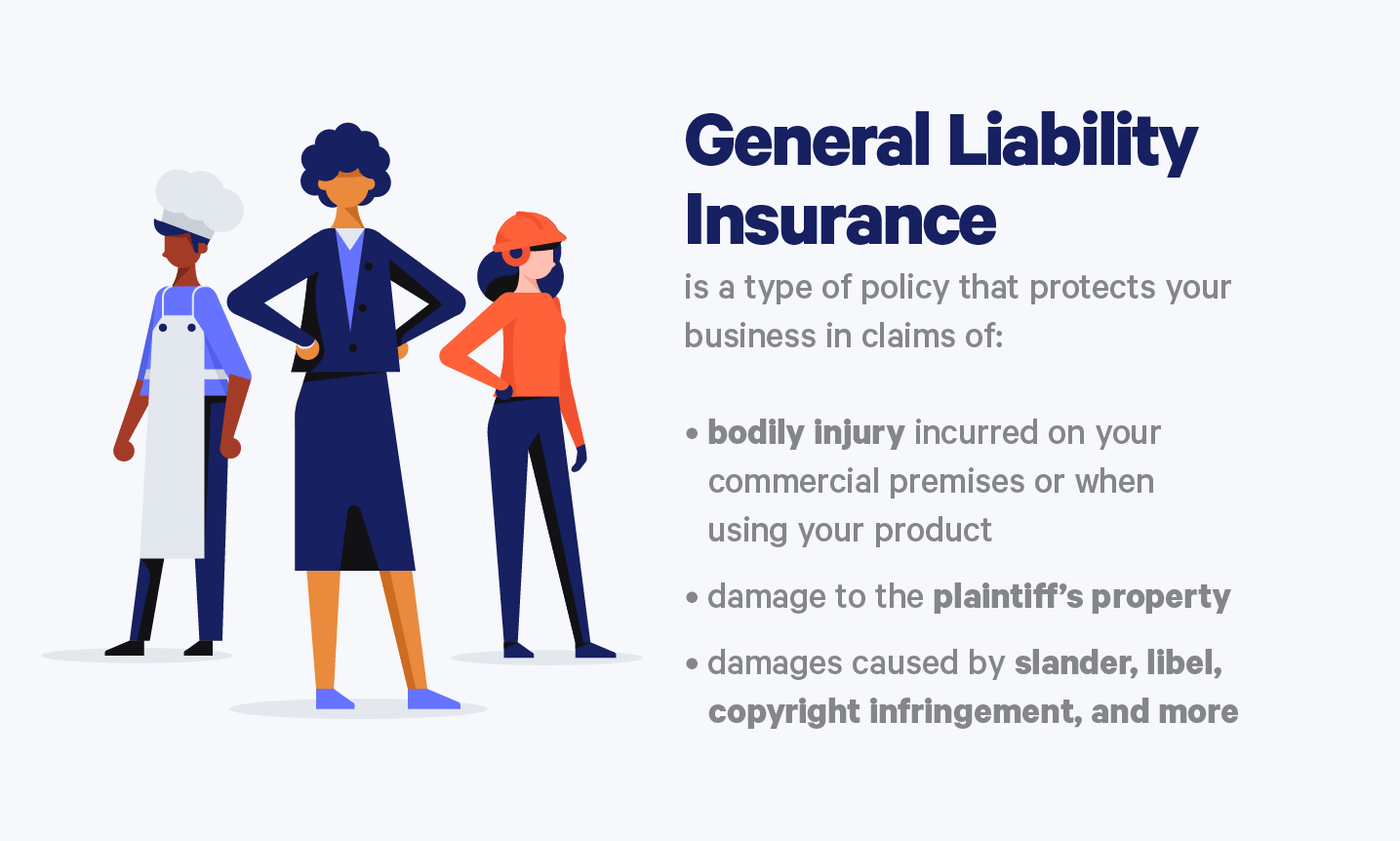
Business liability insurance, also known as commercial general liability (CGL) insurance, is a fundamental type of coverage that protects businesses from a wide array of financial losses stemming from common business activities. It primarily covers costs associated with bodily injury, property damage, and personal or advertising injury claims made by third parties (customers, clients, vendors, or the general public). Without this protection, a single lawsuit could potentially devastate a business, leading to bankruptcy or closure.
Why is Business Liability Insurance Essential?
- Financial Security: Lawsuits and legal settlements can be incredibly expensive, including legal defense costs, settlement payments, and potential judgments. Liability insurance provides the financial resources to cover these expenses, preventing them from draining a company’s assets.
- Legal Defense: Even if a claim is unfounded, defending against a lawsuit can be costly. Liability insurance covers legal fees, court costs, and other expenses related to defending your business, regardless of the outcome.
- Business Continuity: By mitigating financial risks, liability insurance helps ensure the long-term survival and stability of a business. It provides peace of mind, allowing business owners to focus on growth and innovation without the constant fear of financial ruin.
- Contractual Requirements: Many contracts, particularly those with landlords, vendors, or clients, require businesses to maintain a certain level of liability insurance. Compliance with these requirements is essential for securing contracts and maintaining business relationships.
- Reputation Management: Liability insurance can help protect a company’s reputation by providing resources to address claims quickly and professionally. A swift and appropriate response to a claim can minimize negative publicity and maintain customer trust.
Key Types of Coverage Included in Business Liability Insurance
- Bodily Injury: This coverage protects your business if a third party is injured on your premises or as a result of your business operations. It covers medical expenses, rehabilitation costs, lost wages, and legal fees if the injured party sues.
- Property Damage: This coverage protects your business if your operations cause damage to someone else’s property. It covers the cost of repairing or replacing damaged property and legal fees if the property owner sues.
- Personal and Advertising Injury: This coverage protects your business from claims of libel, slander, copyright infringement, and other similar offenses related to your advertising or business practices. It covers legal fees, settlement costs, and judgments.
- Medical Payments: This coverage provides for the payment of medical expenses for injuries sustained by visitors to your business, regardless of fault. It can help prevent lawsuits by quickly addressing medical needs.
- Damage to Premises Rented to You: If you rent or lease a property for your business, this coverage protects you if you cause damage to the property. It covers the cost of repairs or replacement, up to the policy limits.
Additional Liability Insurance Options
While CGL insurance provides broad coverage, businesses may need additional liability policies to address specific risks:
- Professional Liability Insurance (Errors & Omissions Insurance): This coverage protects businesses that provide professional services, such as consultants, accountants, lawyers, and architects, from claims of negligence, errors, or omissions in their services.
- Product Liability Insurance: This coverage protects businesses that manufacture, distribute, or sell products from claims of bodily injury or property damage caused by their products.
- Cyber Liability Insurance: This coverage protects businesses from financial losses resulting from data breaches, cyberattacks, and other cybersecurity incidents. It covers costs such as data recovery, legal fees, customer notification, and credit monitoring.
- Directors and Officers (D&O) Insurance: This coverage protects the personal assets of a company’s directors and officers from lawsuits alleging wrongful acts in their management roles.
- Employment Practices Liability Insurance (EPLI): This coverage protects businesses from claims of discrimination, harassment, wrongful termination, and other employment-related issues.
Factors Affecting the Cost of Business Liability Insurance
The cost of business liability insurance varies widely depending on several factors:
- Industry: High-risk industries, such as construction, manufacturing, and healthcare, typically pay higher premiums due to the increased potential for accidents and lawsuits.
- Business Size: Larger businesses with more employees and customers generally face higher premiums due to the increased exposure to risk.
- Location: Businesses in areas with high crime rates or frequent natural disasters may pay higher premiums.
- Coverage Limits: Higher coverage limits result in higher premiums. Businesses must balance the need for adequate coverage with the cost of the policy.
- Deductible: A higher deductible (the amount you pay out of pocket before the insurance coverage kicks in) typically results in lower premiums.
- Claims History: Businesses with a history of claims may face higher premiums due to the perceived increased risk.
- Business Type: The specific nature of your business operations and the products or services you offer can significantly impact your liability risk and, consequently, your insurance costs.
- Years in Business: Newer businesses might face slightly higher premiums as they have less of a track record compared to established companies.
Choosing the Right Business Liability Insurance Policy
Selecting the right business liability insurance policy is a critical decision that requires careful consideration of your specific needs and risks:
- Assess Your Risks: Conduct a thorough assessment of your business operations to identify potential liability risks. Consider the types of products or services you offer, the number of employees you have, the size of your premises, and the potential for accidents or injuries.
- Determine Coverage Needs: Based on your risk assessment, determine the appropriate coverage limits and types of coverage you need. Consult with an insurance professional to ensure you have adequate protection.
- Shop Around: Obtain quotes from multiple insurance providers to compare coverage options and premiums. Be sure to compare the details of each policy, including coverage limits, deductibles, exclusions, and additional benefits.
- Read the Fine Print: Carefully review the policy documents to understand the terms and conditions of coverage. Pay attention to exclusions, limitations, and any requirements for filing a claim.
- Consult with an Insurance Professional: Work with an experienced insurance broker or agent who can help you navigate the complexities of business liability insurance and find the policy that best meets your needs.
- Consider a Business Owner’s Policy (BOP): A BOP combines general liability insurance with property insurance and business interruption insurance into a single, cost-effective package. It is a popular option for small and medium-sized businesses.
- Regularly Review Your Policy: As your business evolves, your insurance needs may change. Review your policy annually or whenever there are significant changes in your business operations to ensure you have adequate coverage.
Conclusion
Business liability insurance is an indispensable investment for businesses of all sizes and industries. It provides crucial financial protection against the potentially devastating costs of lawsuits and claims, ensuring the long-term stability and success of your enterprise. By understanding the different types of coverage, factors influencing costs, and strategies for choosing the right policy, business owners can make informed decisions to safeguard their assets and future. Don’t view liability insurance as an expense, but rather as a critical component of your risk management strategy and a foundation for sustainable growth.