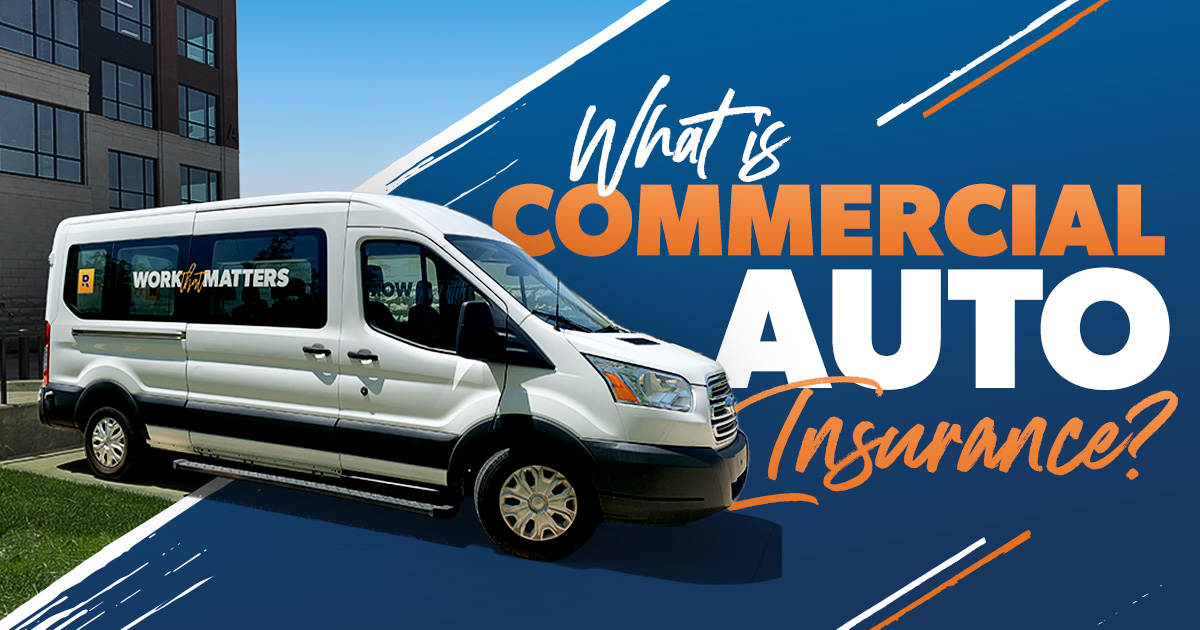
Commercial Vehicle Insurance: Protecting Your Business on the Road
For businesses that rely on vehicles to conduct their operations, commercial vehicle insurance is an indispensable investment. Whether you operate a fleet of delivery trucks, a single catering van, or a construction company with heavy machinery, having the right insurance coverage can protect your business from significant financial losses due to accidents, damages, or liabilities.
What is Commercial Vehicle Insurance?
Commercial vehicle insurance is a type of insurance policy that provides financial protection for vehicles used for business purposes. It is specifically designed to address the unique risks associated with commercial vehicle operations, which often involve higher mileage, more frequent use, and the transportation of goods or passengers.
Unlike personal auto insurance, which covers vehicles used for personal transportation, commercial vehicle insurance takes into account the increased risks and liabilities associated with business-related driving. It provides coverage for a wider range of vehicles, including:
- Trucks: From light-duty pickup trucks to heavy-duty semi-trucks, commercial vehicle insurance covers a variety of trucks used for hauling goods, equipment, or materials.
- Vans: Cargo vans, passenger vans, and other types of vans used for deliveries, transportation, or service calls are covered under commercial vehicle insurance.
- Buses: School buses, shuttle buses, and other types of buses used for transporting passengers are also eligible for commercial vehicle insurance.
- Trailers: Trailers used for hauling goods or equipment are often covered under commercial vehicle insurance policies.
- Specialty Vehicles: Vehicles used for specific business purposes, such as tow trucks, construction equipment, and catering vans, can also be insured under commercial vehicle insurance.
Why is Commercial Vehicle Insurance Necessary?
Commercial vehicle insurance is essential for businesses that use vehicles for their operations for several reasons:
- Legal Requirement: In many jurisdictions, commercial vehicle insurance is a legal requirement for operating vehicles for business purposes. Failure to maintain adequate insurance coverage can result in fines, penalties, and even the suspension of your business license.
- Financial Protection: Accidents involving commercial vehicles can result in significant financial losses, including vehicle repair costs, medical expenses, legal fees, and liability claims. Commercial vehicle insurance can help protect your business from these potentially devastating expenses.
- Liability Coverage: If your commercial vehicle is involved in an accident that causes injury or property damage to others, your business could be held liable for the resulting damages. Commercial vehicle insurance provides liability coverage to help protect your business from these claims.
- Business Continuity: Accidents and damages to commercial vehicles can disrupt your business operations and lead to lost revenue. Commercial vehicle insurance can help you get back on the road quickly by covering repair costs, replacement vehicle expenses, and even lost income in some cases.
- Peace of Mind: Knowing that your business vehicles are adequately insured can provide peace of mind and allow you to focus on running your business without worrying about the financial consequences of accidents or damages.
Types of Commercial Vehicle Insurance Coverage
Commercial vehicle insurance policies typically offer a range of coverage options to suit the specific needs of your business. Some of the most common types of coverage include:
- Liability Coverage: This coverage protects your business from financial losses if your commercial vehicle is involved in an accident that causes injury or property damage to others. It covers legal fees, medical expenses, and property damage claims.
- Physical Damage Coverage: This coverage protects your business from financial losses if your commercial vehicle is damaged in an accident or by other covered perils, such as fire, theft, or vandalism. It covers the cost of repairing or replacing the damaged vehicle.
- Uninsured/Underinsured Motorist Coverage: This coverage protects your business if your commercial vehicle is involved in an accident with an uninsured or underinsured driver. It covers medical expenses, lost wages, and other damages that you may be entitled to recover.
- Medical Payments Coverage: This coverage pays for medical expenses incurred by you or your passengers if you are injured in an accident involving your commercial vehicle, regardless of who is at fault.
- Cargo Coverage: This coverage protects your business from financial losses if the cargo you are transporting in your commercial vehicle is damaged, lost, or stolen.
- Hired and Non-Owned Auto Coverage: This coverage provides liability protection for your business if you or your employees are driving vehicles that you do not own, such as rental cars or personal vehicles used for business purposes.
Factors Affecting Commercial Vehicle Insurance Costs
The cost of commercial vehicle insurance can vary depending on a number of factors, including:
- Type of Vehicle: The type of vehicle you are insuring will affect the cost of your insurance. Larger and more expensive vehicles typically cost more to insure than smaller and less expensive vehicles.
- Vehicle Usage: The way you use your vehicle will also affect the cost of your insurance. Vehicles that are used for high-risk activities, such as transporting hazardous materials, typically cost more to insure than vehicles that are used for less risky activities.
- Driving Record: Your driving record and the driving records of your employees will affect the cost of your insurance. Drivers with a history of accidents or traffic violations typically pay more for insurance than drivers with clean records.
- Coverage Limits: The amount of coverage you choose will also affect the cost of your insurance. Higher coverage limits typically result in higher premiums.
- Deductibles: The deductible you choose will also affect the cost of your insurance. Higher deductibles typically result in lower premiums.
- Location: The location of your business and the areas where you operate your vehicles can also affect the cost of your insurance. Areas with high rates of accidents or theft typically have higher insurance rates.
- Industry: Certain industries may be considered higher risk than others, which can impact insurance costs.
- Number of Vehicles: Fleets of vehicles may qualify for discounts.
How to Choose the Right Commercial Vehicle Insurance Policy
Choosing the right commercial vehicle insurance policy can be a complex process. Here are some tips to help you make the right decision:
- Assess Your Needs: Determine the types of vehicles you need to insure, the risks you face, and the coverage limits you require.
- Shop Around: Get quotes from multiple insurance providers to compare coverage options and prices.
- Work with an Independent Agent: An independent insurance agent can help you compare quotes from multiple insurance companies and find the best policy for your needs.
- Read the Fine Print: Carefully review the policy terms and conditions to understand what is covered and what is not.
- Consider Your Budget: Choose a policy that provides adequate coverage at a price you can afford.
- Check the Insurer’s Reputation: Research the insurance company’s financial stability and customer service ratings to ensure that they are reliable and responsive.
- Ask Questions: Don’t hesitate to ask your insurance agent any questions you have about the policy or the coverage it provides.
Conclusion
Commercial vehicle insurance is a critical investment for businesses that rely on vehicles to conduct their operations. By providing financial protection against accidents, damages, and liabilities, commercial vehicle insurance can help protect your business from significant financial losses and ensure its long-term success. By understanding the different types of coverage available, the factors that affect insurance costs, and the steps involved in choosing the right policy, you can make informed decisions about your commercial vehicle insurance needs and protect your business on the road. Remember to regularly review your policy to ensure it continues to meet your evolving business needs.