The Enduring Appeal of Whole Life Insurance: A Deep Dive into Its Benefits
In the realm of financial planning, life insurance serves as a cornerstone, offering a safety net for loved ones in the event of an untimely passing. While term life insurance provides coverage for a specific period, whole life insurance distinguishes itself as a permanent solution, offering lifelong protection and a unique blend of benefits that extend beyond simple death benefit.
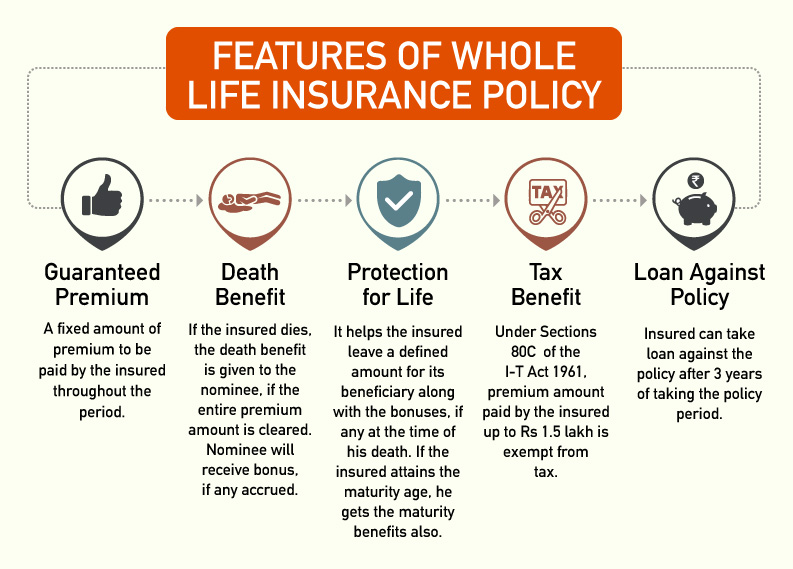
For those seeking a reliable, long-term financial strategy, whole life insurance presents a compelling option. Let’s delve into the key benefits that make it a popular choice:
1. Lifelong Coverage: Peace of Mind for Generations
The most fundamental advantage of whole life insurance is its permanent nature. Unlike term life insurance, which expires after a set period, whole life insurance provides coverage for the entire lifetime of the insured. As long as premiums are paid, the policy remains in force, guaranteeing a death benefit to beneficiaries regardless of when the insured passes away. This lifelong coverage offers unparalleled peace of mind, knowing that financial protection is secured for loved ones, no matter what the future holds.
2. Guaranteed Death Benefit: A Financial Safety Net
Whole life insurance policies come with a guaranteed death benefit, which is the amount paid to beneficiaries upon the insured’s death. This benefit remains constant throughout the policy’s duration, providing a predictable and reliable source of financial support for surviving family members. The death benefit can be used to cover a wide range of expenses, including:
- Funeral costs and estate settlement expenses
- Outstanding debts, such as mortgages, loans, and credit card balances
- Living expenses for surviving spouses and dependents
- Educational expenses for children
- Future financial goals, such as retirement planning
3. Cash Value Accumulation: A Growing Asset
One of the most distinguishing features of whole life insurance is its cash value component. A portion of each premium payment is allocated to the policy’s cash value, which grows over time on a tax-deferred basis. This cash value accumulation is guaranteed and typically grows at a fixed rate, providing a safe and predictable investment.
The cash value can be accessed by the policyholder through policy loans or withdrawals. Policy loans allow the policyholder to borrow against the cash value without surrendering the policy, while withdrawals reduce the death benefit and may be subject to taxes. The cash value component of whole life insurance offers a valuable source of liquidity and financial flexibility, allowing policyholders to address unexpected expenses, fund major life events, or supplement retirement income.
4. Tax Advantages: A Shield Against Taxation
Whole life insurance offers several significant tax advantages, making it an attractive financial planning tool:
- Tax-deferred Growth: The cash value within a whole life insurance policy grows on a tax-deferred basis, meaning that policyholders do not pay taxes on the earnings until they are withdrawn. This allows the cash value to accumulate more rapidly, as earnings are not eroded by annual taxes.
- Tax-free Death Benefit: The death benefit paid to beneficiaries is generally income tax-free. This can provide a significant financial advantage, as beneficiaries receive the full death benefit amount without having to pay income taxes on it.
- Tax-free Policy Loans: Policy loans are generally tax-free, as they are considered a loan rather than a distribution of earnings. However, it is important to note that interest payments on policy loans are not tax-deductible.
5. Loan Options: Flexibility in Times of Need
Whole life insurance policies offer the option to take out loans against the cash value of the policy. This can be a valuable source of funds for unexpected expenses, business opportunities, or other financial needs. Policy loans offer several advantages:
- No Credit Check: Policy loans do not require a credit check, making them accessible to individuals with less-than-perfect credit.
- Flexible Repayment: Policyholders can repay policy loans on their own schedule, with no fixed repayment terms.
- Continued Coverage: The policy remains in force even with an outstanding loan balance.
6. Dividends: Potential for Increased Value
Some whole life insurance policies are "participating" policies, which means that they are eligible to receive dividends. Dividends are a return of excess premiums paid by policyholders, and they are typically paid out annually. While dividends are not guaranteed, they can provide a significant boost to the policy’s cash value and death benefit over time. Dividends can be used in several ways:
- Cash Payment: Dividends can be received as a cash payment.
- Premium Reduction: Dividends can be used to reduce the policy’s premium payments.
- Paid-up Additions: Dividends can be used to purchase additional insurance coverage, increasing the policy’s death benefit and cash value.
- Accumulation at Interest: Dividends can be left to accumulate at interest within the policy.
7. Estate Planning Benefits: A Legacy of Protection
Whole life insurance can play a valuable role in estate planning, providing a source of funds to cover estate taxes, probate costs, and other expenses associated with settling an estate. The death benefit can also be used to provide for the ongoing financial needs of surviving family members, ensuring that they are well-cared for after the insured’s passing.
8. Forced Savings:
For some, having a structured payment plan can be helpful in saving money. Because whole life insurance requires regular premium payments to maintain coverage, it can act as a form of forced savings. This can be particularly beneficial for those who struggle with saving consistently.
9. Safe Haven:
In times of economic uncertainty, the guaranteed cash value growth and death benefit of whole life insurance can provide a sense of security. This can be especially valuable for those seeking a stable and predictable investment option.
10. Supplement Retirement:
As the cash value grows, it can be used to supplement retirement income. This can provide an additional source of funds to help cover living expenses and maintain a comfortable lifestyle during retirement.
Considerations and Caveats
While whole life insurance offers numerous benefits, it’s essential to consider the following factors before making a decision:
- Higher Premiums: Whole life insurance policies typically have higher premiums than term life insurance policies due to the cash value component and lifelong coverage.
- Complexity: Whole life insurance policies can be more complex than term life insurance policies, requiring a thorough understanding of the policy’s features and benefits.
- Long-term Commitment: Whole life insurance is a long-term commitment, and it may not be the best option for individuals with short-term financial goals.
Conclusion
Whole life insurance offers a compelling combination of lifelong coverage, guaranteed death benefit, cash value accumulation, tax advantages, and financial flexibility. It can be a valuable tool for individuals seeking a long-term financial strategy that provides peace of mind and protects their loved ones. However, it is essential to carefully consider the policy’s features, benefits, and costs before making a decision, and to consult with a qualified financial advisor to determine if whole life insurance is the right fit for your individual needs and circumstances.